
By Marco Jacobs
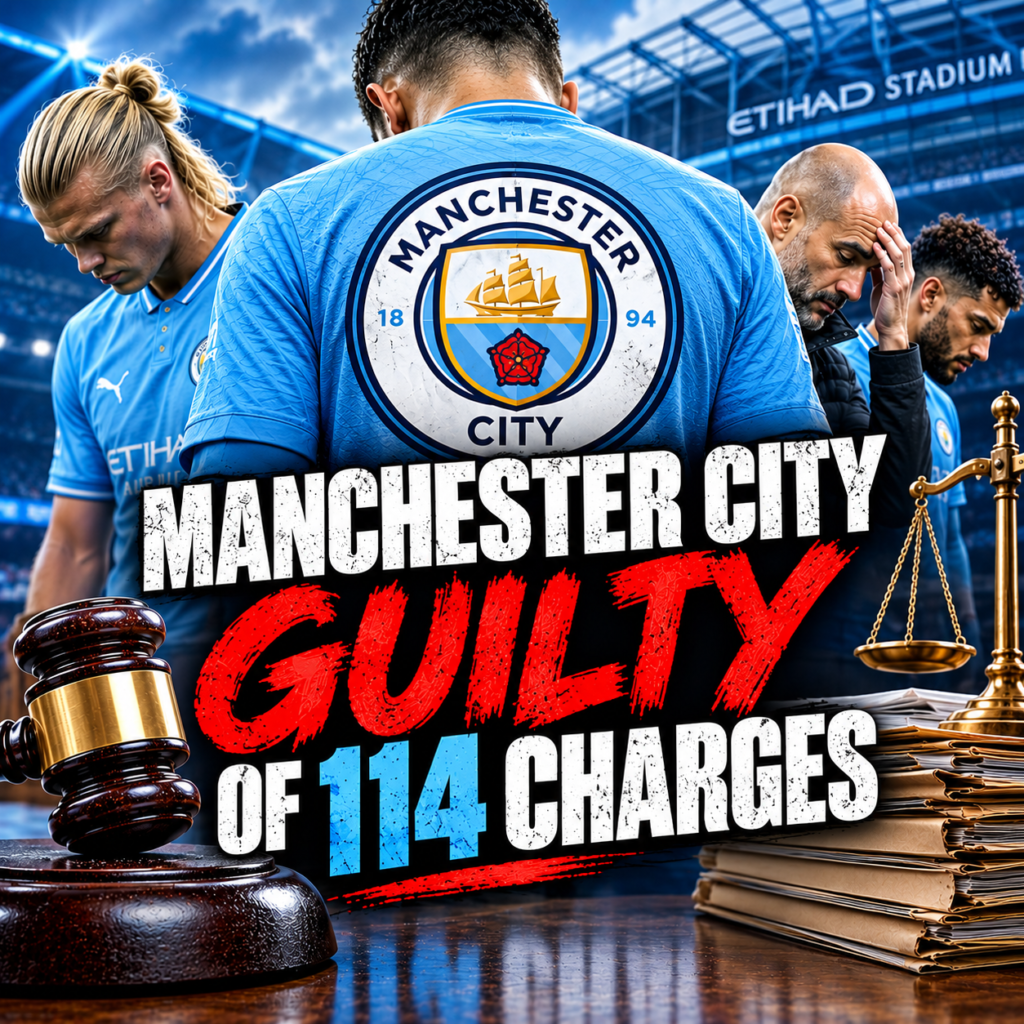
Manchester City’s guilty verdict on 114 Premier League financial charges marks one of the most seismic moments in modern football. The ruling, covering alleged breaches between 2009 and 2018, threatens to strip the club of multiple titles, impose points deductions, and even relegate them. City has vowed to appeal, but the implications stretch far beyond the Etihad.
The Titles Under Threat
The Premier League now faces the unprecedented possibility of rewriting its own history. If titles are stripped, they would likely be reassigned to the runners‑up of those seasons.
- 2011/12 → Manchester United, erasing Sergio Aguero’s iconic stoppage‑time goal.
- 2013/14 → Liverpool, finally vindicating their near‑miss under Brendan Rodgers.
- 2017/18 → Manchester United, restoring their dominance in the record books.
Such changes would elevate United to 22 league titles, reclaiming their lead over Liverpool, while Liverpool would rise to 20.
Lessons from Italy’s Calciopoli
Football has faced similar reckonings before. In 2006, Italy’s Calciopoli scandal exposed referee manipulation and systemic corruption. Juventus were relegated and stripped of two titles, AC Milan suffered points deductions, and Inter Milan controversially inherited a Scudetto. The precedent is clear: sporting authorities can and do rewrite history when corruption is proven.
The Compensation Question
Beyond titles, there is another dimension: financial damages. Clubs that missed out on European football because City occupied qualification spots could argue they lost millions in revenue.
- Champions League places: Missing out on group stage participation costs clubs tens of millions in broadcasting, sponsorship, and ticket sales.
- Europa League qualification: Even secondary European competition brings prestige and financial uplift.
- Knock‑on effects: Reduced revenue impacts transfer budgets, player retention, and long‑term competitiveness.
If City’s misconduct is proven to have denied rivals these opportunities, legal claims for compensation could follow. This would mirror Juventus’ post‑Calciopoli lawsuits, where damages sought exceeded €400 million.
Governance and Accountability
The City case raises fundamental questions about football governance. Financial fair play was designed to prevent clubs from inflating sponsorships or hiding payments to gain unfair advantage. Yet enforcement has often been inconsistent. Now, the Premier League faces its defining test: will it enforce sanctions that reshape history and open the door to financial claims, or will legal appeals dilute the punishment?
The Human Dimension
For fans, this is about trust. Supporters invest emotion, money, and identity into their clubs. When trophies and European places are tainted, the integrity of the game itself is questioned. Rival fans may celebrate retrospective justice, but City supporters will feel robbed of memories that defined their era.
The Aguero goal in 2012, the centurion season in 2018, and Pep Guardiola’s dominance may all be re‑evaluated not as triumphs of footballing brilliance, but as achievements clouded by financial misconduct.
Editorial Reflection
This moment is bigger than one club. It is about whether football can uphold integrity in the face of wealth and power. The Premier League must decide if justice means stripping titles, leaving them vacant, awarding compensation, or finding another path. Whatever the outcome, history will judge not only Manchester City, but the guardians of the game itself.