
By Marco Jacobs
The recent exchange between former South African cricketer Herschelle Gibbs and rising star Dewald Brevis has sparked debate far beyond cricket. Gibbs criticized Brevis’s lack of game awareness, while Brevis dismissed the comments, saying he does not care what former players think. Fans are split, and the clash highlights a broader generational divide in how criticism is received and processed.
Let’s take a look at three perspectives.
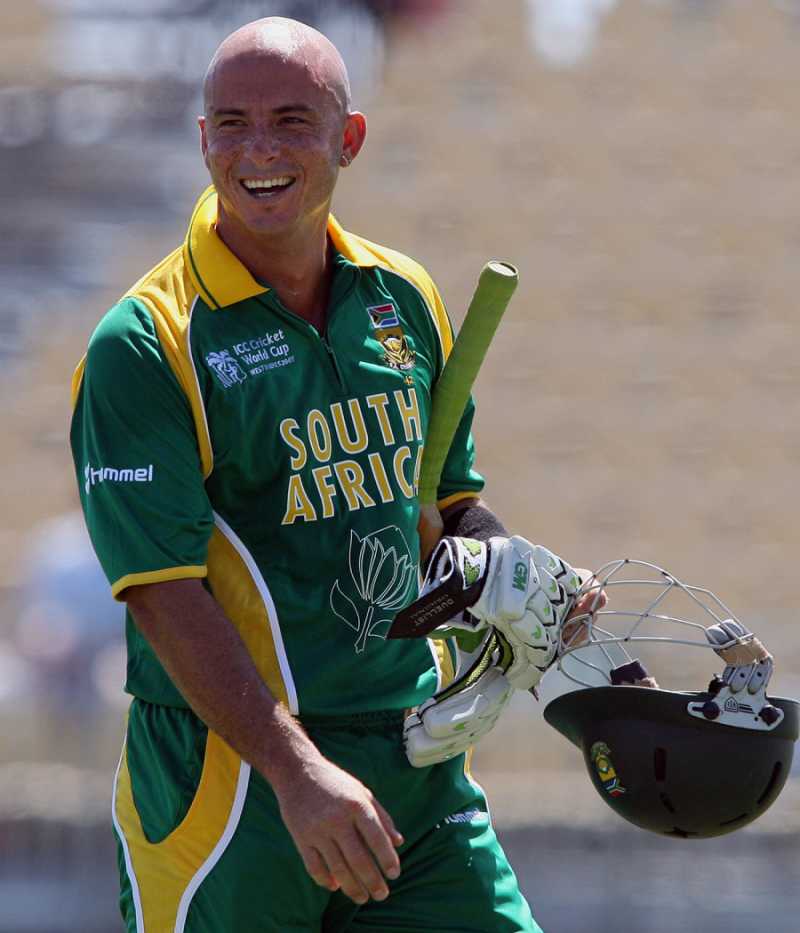
Gibbs’s Perspective
- Gibbs represents an older generation of athletes where public criticism was seen as tough love.
- Legends were respected as authoritative voices, and their words carried weight. His critique of Brevis’s inconsistency was rooted in a belief that accountability drives growth.
- Gibbs viewed public criticism as a necessary tool to instill discipline and foster improvement, reflecting a culture where respect for elders and their experience was paramount.
- He believed that enduring tough feedback publicly prepared athletes for the pressures of professional sport and life beyond.
- This perspective emphasizes the role of mentorship through direct, sometimes harsh, communication to build character and resilience.

Brevis’s Response
- Brevis embodies a younger generation that prioritizes mental clarity and self-belief.
- His refusal to internalize external criticism reflects a modern approach to resilience: filtering noise rather than absorbing it.
- While some saw his comments as arrogant, others interpreted them as confidence and independence.
Fan Reactions
- Support for Gibbs: Fans who value tradition argue that Brevis should respect and learn from legends.
- Support for Brevis: Younger fans admire his defiance, seeing it as necessary in an era of amplified scrutiny through social media.
- The split mirrors a wider societal debate about how youth handle judgment compared to previous generations.
Generational Divide
- Older athletes: Resilience meant absorbing pressure silently and proving oneself through performance.
- Younger athletes: Resilience now means protecting mental health, filtering criticism, and focusing on authenticity.
- This divide is not unique to cricket; it reflects broader shifts in workplaces, education, and leadership.
Conclusion
The Brevis-Gibbs clash is less about right or wrong and more about contrasting philosophies of resilience. Gibbs was correct to highlight flaws, but his delivery reflected an older mindset. Brevis was correct to protect his mental clarity, though his phrasing risked sounding dismissive. Together, they illustrate how every generation redefines resilience in its own way.