
By Marco Jacobs
Every time the Africa Cup of Nations arrives, the same debate resurfaces in European football circles. Clubs complain. Managers sigh. Pundits talk about “disruption.”
And once again, African football is treated not as an equal stakeholder in the global game, but as an inconvenience.
AFCON is the pinnacle of African football – a tournament rich in history, identity, and meaning. Yet its scheduling is constantly framed as a problem to be solved, rather than a reality to be respected. When players like Mohamed Salah, Amad, Brian Mbeumo, Riyad Mahrez, or Victor Osimhen leave their European clubs to represent their nations, the narrative rarely celebrates national pride. Instead, it focuses on what clubs are “losing.”
That framing reveals a deeper truth: African football is still not afforded the same respect as its European counterpart.
AFCON is not just a tournament. It is a cultural gathering, a unifying force across a continent shaped by diversity, colonial history, and struggle. For millions of Africans, it is football in its most meaningful form — national identity expressed through sport. The passion, colour, and emotion that define AFCON represent the game in its purest state.
Yet despite Africa’s immense contribution to world football, the continent remains marginalised in global decision-making. Europe consumes African talent at an industrial scale. African players power elite clubs, fill stadiums, sell shirts, and win trophies. Legends like George Weah, Didier Drogba, and Samuel Eto’o did not merely succeed in Europe – they helped define modern football. Still, African competitions are expected to adapt around European convenience.
The scheduling debate sits at the heart of this imbalance.
AFCON is traditionally played in January and February – a necessity shaped by Africa’s climate realities. Attempts to move the tournament to June and July have proven unsustainable in many host nations due to extreme heat, rainy seasons, and infrastructure constraints. Yet instead of adapting global calendars to accommodate Africa, the burden of compromise is placed almost entirely on the continent.
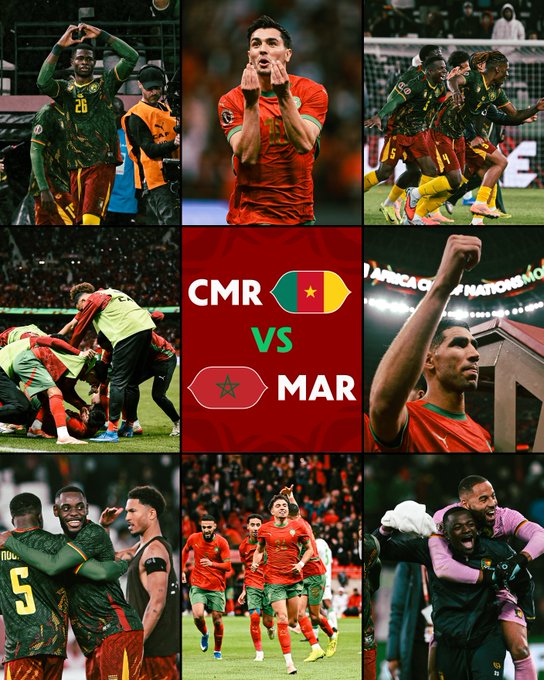
European football, by contrast, enjoys structural protection. Domestic leagues, continental competitions, and international windows are aligned with precision. African football is expected to fit into the gaps.
This is not coincidence. It is power.
Institutions such as FIFA and UEFA wield enormous influence over the global calendar, while the concerns of CAF are too often treated as secondary. The result is a hierarchy where Africa supplies talent, but Europe sets the terms.
The human cost of this imbalance is frequently ignored. African players are placed in impossible positions, forced to navigate club pressure, media narratives, and national expectation. Representing one’s country at AFCON is not a distraction = it is the highest honour. Suggesting otherwise diminishes both the player and the competition.
If football truly claims to be global, this cannot continue.
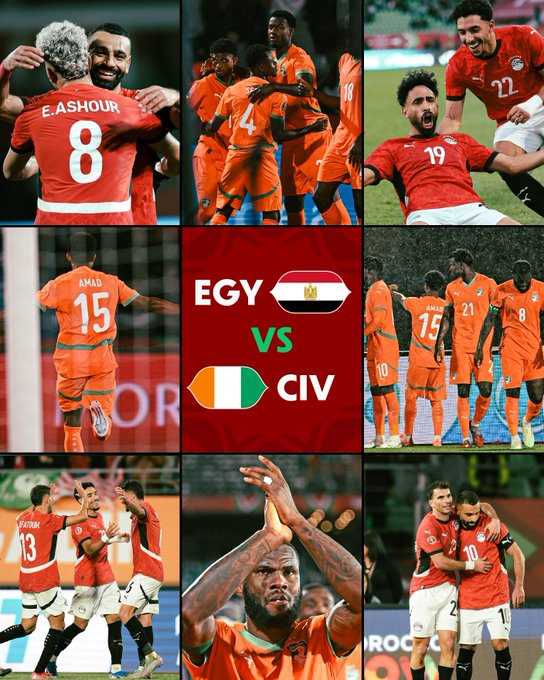
Respect requires action. It requires genuine collaboration on international calendars, serious investment in African hosting infrastructure, and a shift in how AFCON is discussed in global media. Most importantly, it requires acknowledging that African football does not exist to serve European schedules.
AFCON is not an inconvenience. It is not an afterthought. It is one of world football’s great tournaments.
To respect Africa is to respect football itself.